 AI肯數位行銷
Taiwan Eureka Lemons: Lemon Tea, Desserts and Everyday Uses
Discover the many uses of Taiwan-grown Eureka lemons! Known locally as four-season lemons, these citrus fruits bring fragrant juice and a sour flavor to refreshing drinks, savory dishes, sauces, and desserts.
Join AI Ken for an orchard introduction, a glass of iced lemon tea, and a sweet-tart lemon tart. Then explore more ways to use this versatile ingredient in everyday recipes. Come taste Taiwan!

Watch: From the Lemon Orchard to Tea and Dessert
This short video introduces Eureka lemons in the orchard, followed by iced lemon tea and a lemon tart tasting. These are two examples of the fruit's many culinary uses.
Watch Taiwan Eureka Lemons on YouTube Shorts
What Are Taiwan Four-Season Lemons?
Eureka is a common lemon variety grown in Taiwan. The local name "four-season lemon" refers to its ability to flower and bear fruit throughout the year under suitable growing conditions. Production still varies by season.
Eureka lemons generally have an oval shape, a textured, relatively thick rind, pale yellow flesh, and seeds. Their juice is sour and aromatic, making them useful ingredients rather than fruits usually eaten like sweet oranges.
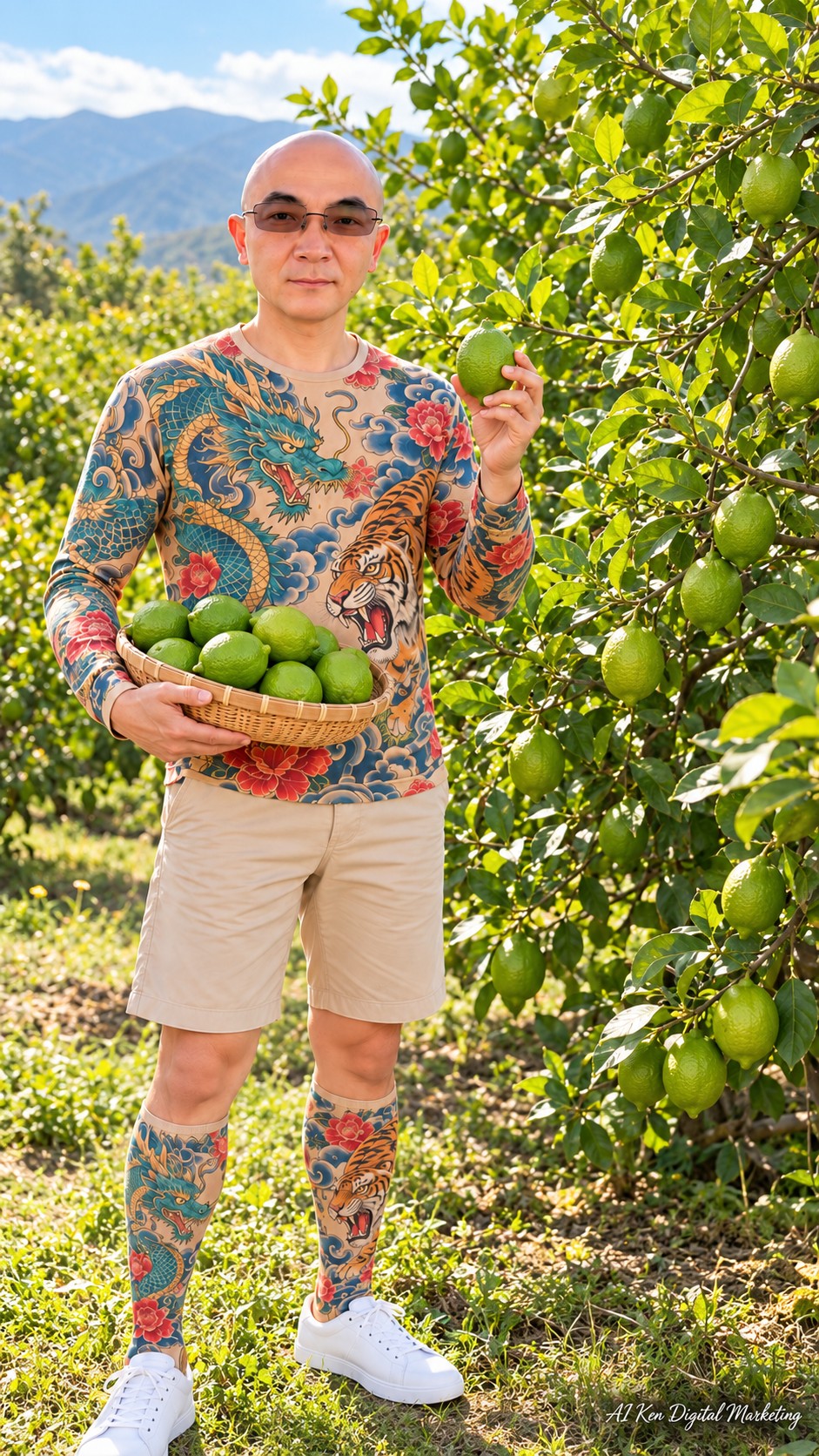
Why Are Taiwan Lemons Often Green?
Eureka lemons can develop yellow peel as they mature. In Taiwan, they are commonly harvested and marketed while the peel is still green, with their aroma and acidity valued for juice and other uses.
Green peel does not automatically mean that a fruit is a lime. Fruit color alone is not enough to distinguish lemons from limes.
Iced Lemon Tea and Other Refreshing Drinks
Lemon juice adds citrus aroma and acidity to tea. A simple iced lemon tea combines brewed tea with lemon juice, ice, and an optional sweetener. Adjust the balance to suit the tea and your personal taste.
Other drink ideas include lemonade, honey lemon drinks, sparkling lemon drinks, and warm lemon beverages. These are prepared drinks, rather than undiluted lemon juice.

Lemon Tarts, Cakes and Sweet Treats
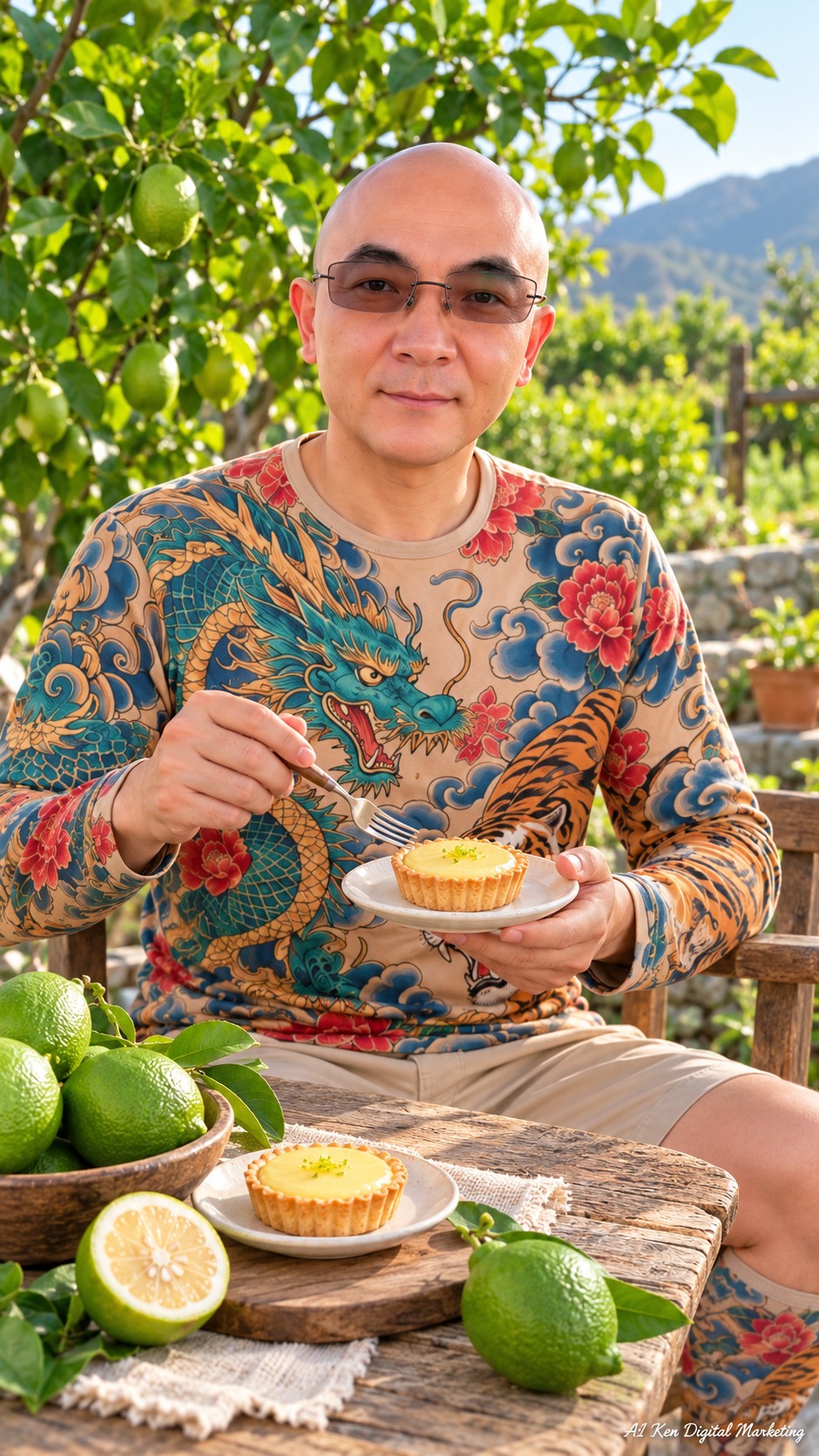
Lemons also have a place in desserts. A lemon tart combines tangy lemon filling with a pastry crust, bringing sweetness, acidity, and contrasting textures into one serving.
More possibilities include lemon cakes, lemon curd, cookies, jellies, sorbets, and ice pops. Juice provides acidity, while finely grated outer peel can add aroma when appropriate for the recipe.
Savory Cooking: A Little Juice, Plenty of Possibilities
Lemon juice can bring a bright, sour finish to cooked fish, shrimp, chicken, and vegetables. Begin with a small amount, taste the dish, and adjust as needed.
It can also be used in marinades and sauces. Lemon juice adds flavor, but marinating with citrus does not replace proper cooking of meat or seafood.
Dressings, Dipping Sauces and Lemon Zest
- Salad dressings: combine lemon juice with oil and suitable seasonings.
- Dipping sauces: add a little juice to balance salty, sweet, or spicy ingredients.
- Marinades: include lemon juice as one ingredient in a recipe suited to the food.
- Zest: finely grate only the colored outer peel of a thoroughly washed lemon when a recipe calls for it. Avoid the bitter white pith.
Juice and zest serve different purposes. Juice contributes acidity and liquid, while zest adds concentrated peel aroma. Use the amount specified by your recipe, then adjust carefully.
Eureka Lemons and Seedless Limes: Know the Difference
Taiwan's "four-season lemons" commonly refer to Eureka lemons, while fruits sold locally as "seedless lemons" usually refer to Tahiti limes, also known as Persian limes.
Both have sour juice and many culinary applications, but their rind, flesh, aroma, and seed characteristics differ. Explore our Taiwan Seedless Limes guide for a separate introduction.
Frequently Asked Questions
Why are they called four-season lemons?
The name describes their ability to flower and bear fruit throughout the year in suitable conditions. It does not mean that harvest volumes are equal in every season.
Do Eureka lemons have seeds?
They generally do. Remove or strain out the seeds when preparing juice for drinks, sauces, or desserts.
Can green lemons turn yellow?
Yes. Eureka lemon peel can turn yellow as the fruit matures. Green and yellow peel are not, by themselves, proof that fruits belong to different varieties.
Are lemons only used for drinks?
No. Their juice and zest can also be used in savory cooking, dressings, sauces, marinades, baking, and chilled or frozen desserts.
Come Taste Taiwan!
From an orchard introduction to iced lemon tea and a lemon tart, discover how Taiwan Eureka lemons connect fruit growing with everyday food and drink. Which use would you explore first?
Welcome to Taiwan. Come taste Taiwan!
Explore More
Citrus references: Taiwan Ministry of Agriculture: Common Lemons and Limes and Understanding Eureka Lemons and Tahiti Limes .